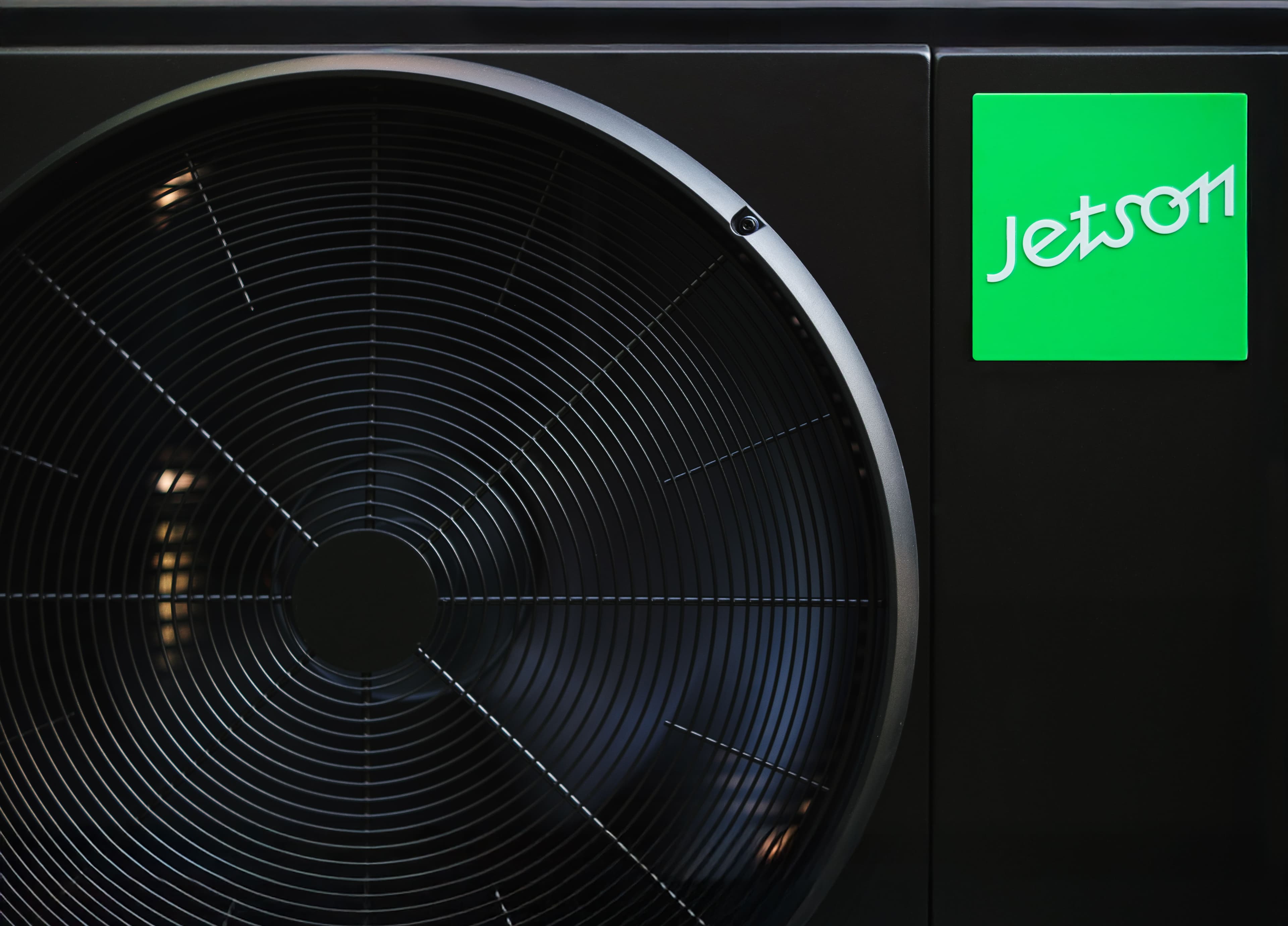
One system for your whole home
A cold-climate heat pump gives you year-round heating and cooling from a single piece of equipment. In winter, it pulls heat from the outdoor air and brings it inside. In summer, it reverses direction and cools your home. You don't need a separate furnace and air conditioner, and you don't need to maintain, repair, or eventually replace two different systems.
Heating and cooling in one efficient unit
A gas furnace only provides heat. You need a separate air conditioner for summer, which means two systems, two sets of maintenance costs, and two pieces of equipment drawing energy. A heat pump handles both jobs.
The efficiency difference is significant. A gas furnace burns fuel to create heat, and even the best models top out around 95% efficiency. A cold-climate heat pump moves heat rather than creating it, which allows it to deliver two to five times more heating energy per unit of electricity consumed. That's not a theoretical number. It's the measured performance of modern inverter-driven systems operating in real-world conditions.
What that means practically is lower energy bills and less energy consumption overall, from a system that also cools your home in the summer without requiring any additional equipment.
Cleaner indoor air
Heat pumps don't burn fuel, which means they don't produce carbon monoxide, nitrogen dioxide, or any of the other combustion byproducts that gas furnaces release inside your home. There are no flames, no fumes, and no risk of gas leaks.
Every Jetson Air system also includes a built-in air filter that runs continuously, capturing dust, pollen, pet dander, and other particles. Over time, that adds up to noticeably cleaner air throughout the house, which is particularly meaningful for households with young children, pets, or anyone with asthma or allergies.
Lower carbon footprint
Traditional heating systems burn fossil fuels on site, releasing carbon emissions every time they run. A heat pump runs on electricity, which eliminates those direct emissions entirely. And as the electric grid continues to add more renewable generation, your heat pump's environmental impact improves automatically without you replacing anything.
Home heating is one of the largest sources of residential carbon emissions, especially in colder climates. Switching to a heat pump is one of the most impactful things a homeowner can do to reduce their household's carbon footprint. It's worth noting, though, that most people who make the switch do it primarily for the savings and comfort. The environmental benefit is real, but it doesn't have to be the main reason.
Future-proofing your home
Building codes are evolving toward electrification, energy prices for fossil fuels continue to be volatile, and buyer expectations are shifting. Homes with modern, all-electric systems are better positioned for all of these trends.
A heat pump replaces aging single-purpose equipment with technology that integrates naturally with solar panels, battery storage, and home energy management systems. It's a practical upgrade that also happens to align with where residential energy is headed. And it shows up in property value too. Buyers increasingly look for homes that are efficient, comfortable, and inexpensive to operate, and a modern heat pump checks all three boxes.
How much does a heat pump cost?
Less than most people expect, especially after incentives. Governments at the federal, state, and local level are investing heavily in programs that help homeowners switch to clean electric heating. These systems reduce emissions and grid strain, so rebates, grants, and low-interest financing are widely available.
At Jetson, we offer factory-direct pricing without the markups that traditional HVAC companies add for middlemen and distribution layers. When you combine our pricing with available incentive programs, the out-of-pocket cost is often thousands less than homeowners anticipate.
What do I need to know about installation?
Honestly, not much, and that's by design. We've studied the installation process in detail and built a system that gets your new heat pump up and running in one day. A Jetson team handles the entire job: permits, load calculations, removal of your old system, installation of the new one, and final setup. We fine-tune the system for your specific home and walk you through how everything works before we leave.
There are no multi-day projects, no subcontractors showing up on different schedules, and no hidden costs that appear after the work starts.

So, should you get a heat pump?
If your furnace is aging, your energy bills are climbing, or you just want a more efficient way to heat and cool your home, a heat pump is worth a serious look. The technology is proven, the economics work in most situations, and available rebates can cover a meaningful portion of the installation cost. You can get an instant quote to see what it would look like for your specific home.