Learn how your heat pump works, why it behaves differently than a furnace, and how to get the best comfort and efficiency from your system.
Heat Pumps vs. Gas Furnaces
If you previously had a gas furnace, your heat pump will feel different — by design.
Heat pumps don’t “blast” hot air. They deliver steady warmth over time, which is what makes them efficient. Instead of heating quickly and shutting off, a heat pump maintains comfort gradually throughout the day. That steady operation is intentional and is key to its efficiency.
Gas Furnace
- Burns fuel to create very high temperatures
- Heats quickly in short bursts
- Turns on and off frequently
- Creates noticeable temperature swings
Heat Pump
- Moves heat instead of creating it
- Runs longer at lower temperatures
- Maintains steady indoor comfort
- Designed for smooth, consistent performance
Expect Gradual Temperature Changes
Heat pumps adjust temperature steadily rather than rapidly.
You can typically expect: About 2°F per hour (≈1°C per hour)
Performance depends on outdoor temperature, insulation, airflow, and system sizing.
Large Setbacks Can Reduce Efficiency
With furnaces, large overnight setbacks often save energy.
With heat pumps, large drops can reduce efficiency.
A big gap between indoor and outdoor temperatures forces the system to work harder, increasing compressor output and, in some cases, activating auxiliary heat. Heat pumps perform best when maintaining temperature, not recovering from extreme swings.
Longer Run Times Are Normal
A furnace may run 10–15 minutes at a time.
A heat pump may run:
- 30–90 minutes
- Or nearly continuously during cold weather
This is expected. Heat pumps are designed for steady operation at lower intensity.
Cold Weather Behavior
In colder weather, you may notice:
- Longer heating cycles
- Higher fan speeds
- Slower temperature recovery
- Occasional brief pauses in heating
As outdoor temperatures drop, the system works harder to move heat indoors. You may also notice heating pause for several minutes while the system protects itself and maintains efficiency. This is called Defrost Mode, explained below. If installed, auxiliary heat strips may assist during extreme cold or rapid recovery.
What Is Defrost Mode?
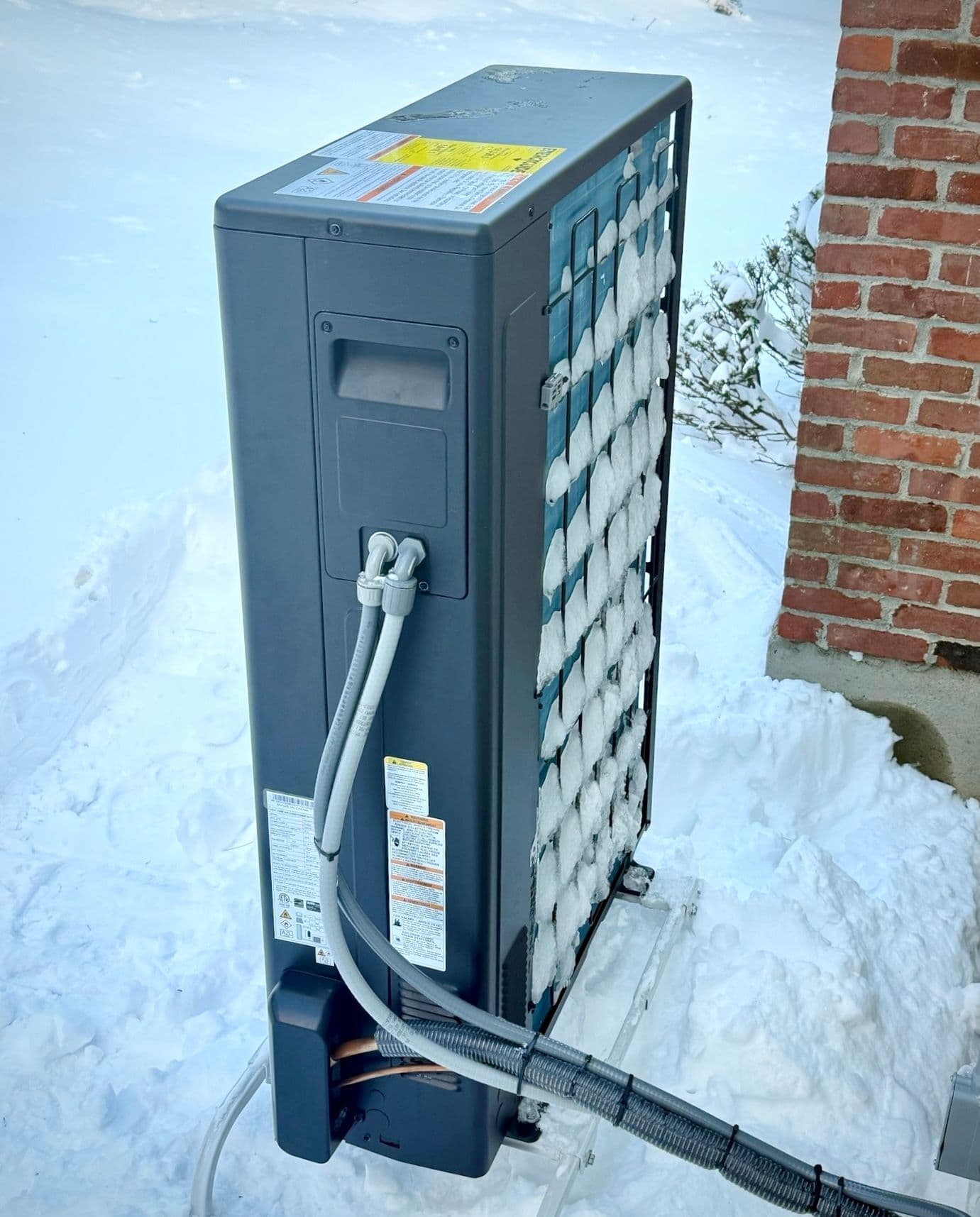
In cold or humid conditions, frost can build up on the outdoor unit. This is normal.
To maintain performance, your system periodically enters Defrost Mode to clear that frost.
During defrost:
- Heating temporarily pauses
- Indoor air circulation may stop
- Outdoor sound may change
- The cycle typically lasts 5–10 minutes
Afterward, heating resumes automatically.
Defrost cycles are more common when:
- Outdoor temperatures are near freezing
- Humidity is high
- It’s raining or snowing
Warm Weather & Cooling Behavior
In cooling mode, your heat pump works much like a traditional air conditioner, but it may still run longer than you expect.
Longer cooling cycles help:
- Maintain steady indoor temperatures
- Improve humidity control
- Increase overall efficiency
You may notice:
- Gradual temperature changes
- Extended run times on hot days
- Fan speed adjustments
This is normal. Steady cooling improves comfort and reduces humidity swings.
Fan Speeds and Airflow
You may notice the fan increasing speed during heating or cooling. This is intentional.
The system adjusts airflow to improve heat transfer and efficiency while maintaining comfort.
On your Jetson Thermostat or in the Jetson Home app:
- Auto → System manages fan speed automatically with a preference for lower fan speeds (recommended).
- Low / Medium / High → Sets a preferred fixed fan speed. Jetson may temporarily adjust the fan speed during heating or cooling to optimize efficiency.
- Fan Only → Circulates air without heating or cooling. A fixed fan speed must be selected. Auto fan mode is not available in Fan Only.
Comfort Feels Different
Heat pump air may feel:
- Warm, but not extremely hot
- More consistent
- Less intense than furnace air
Because the system runs more steadily, many homeowners experience:
- Fewer temperature swings
- More even room comfort
- Smoother overall heating
Energy Bills Will Look Different
With a heat pump, gas costs drop and electricity usage increases — especially in winter. This is normal when switching from gas heating to electric heating.
See Performance & Energy Use for bill guidance and efficiency tips.