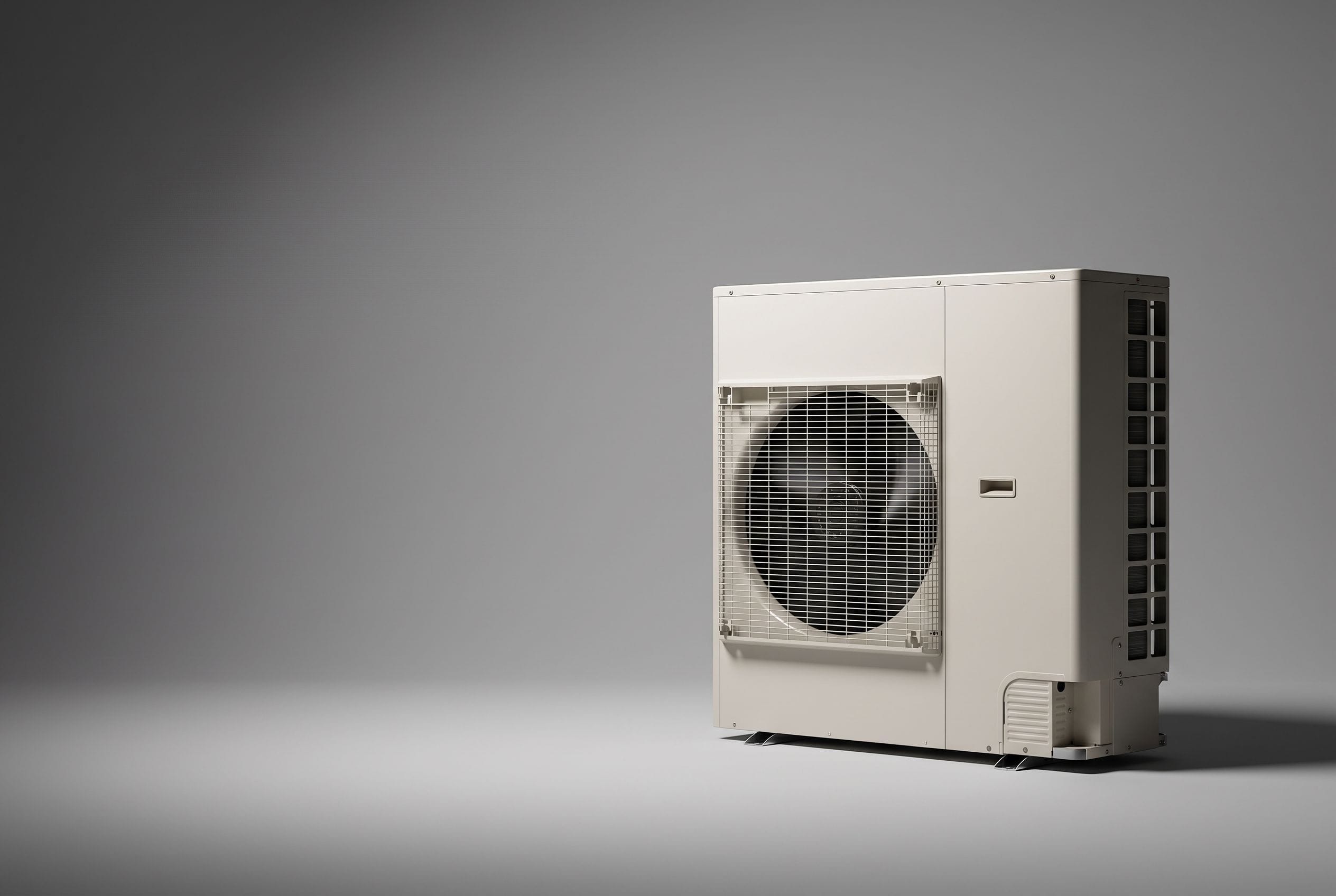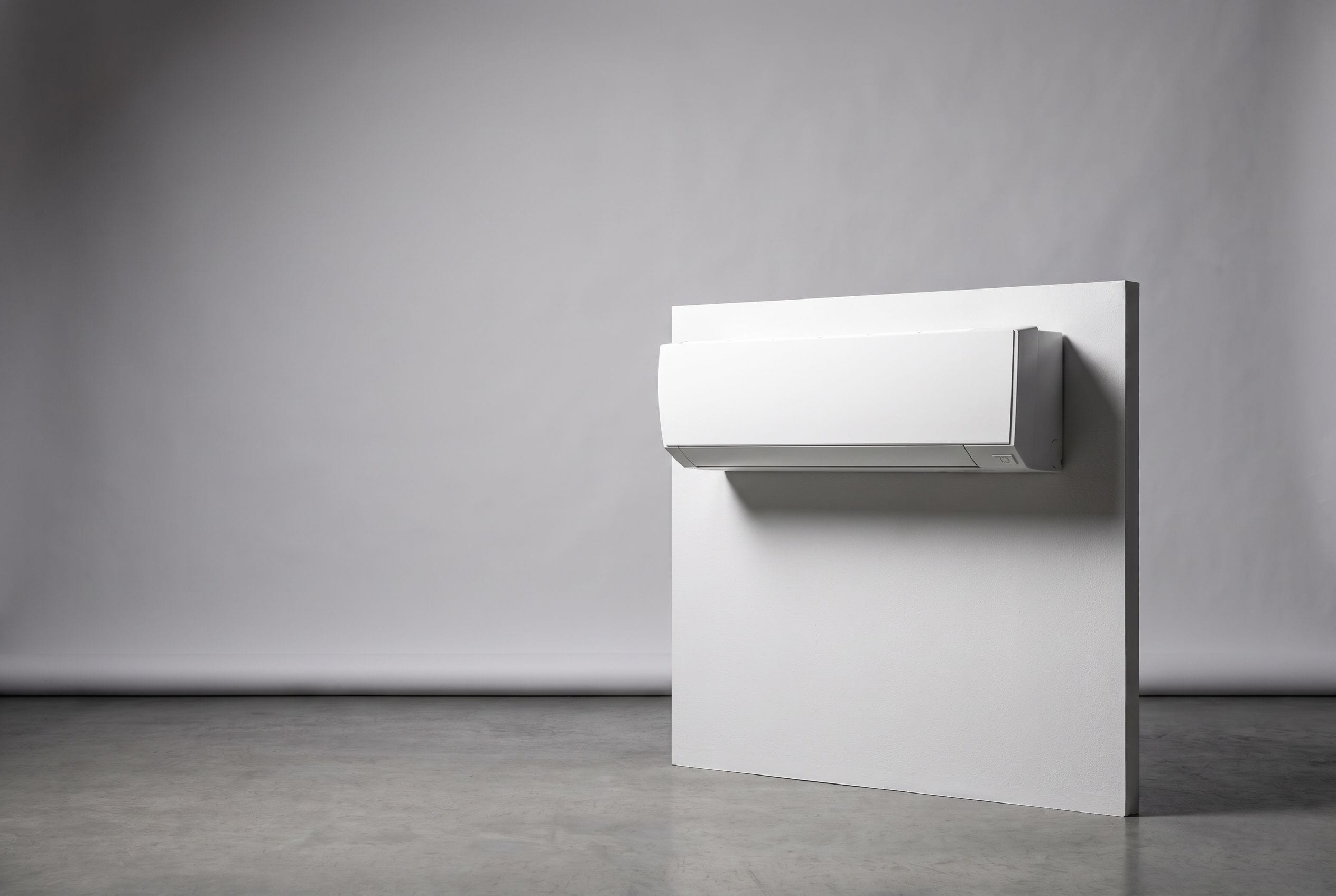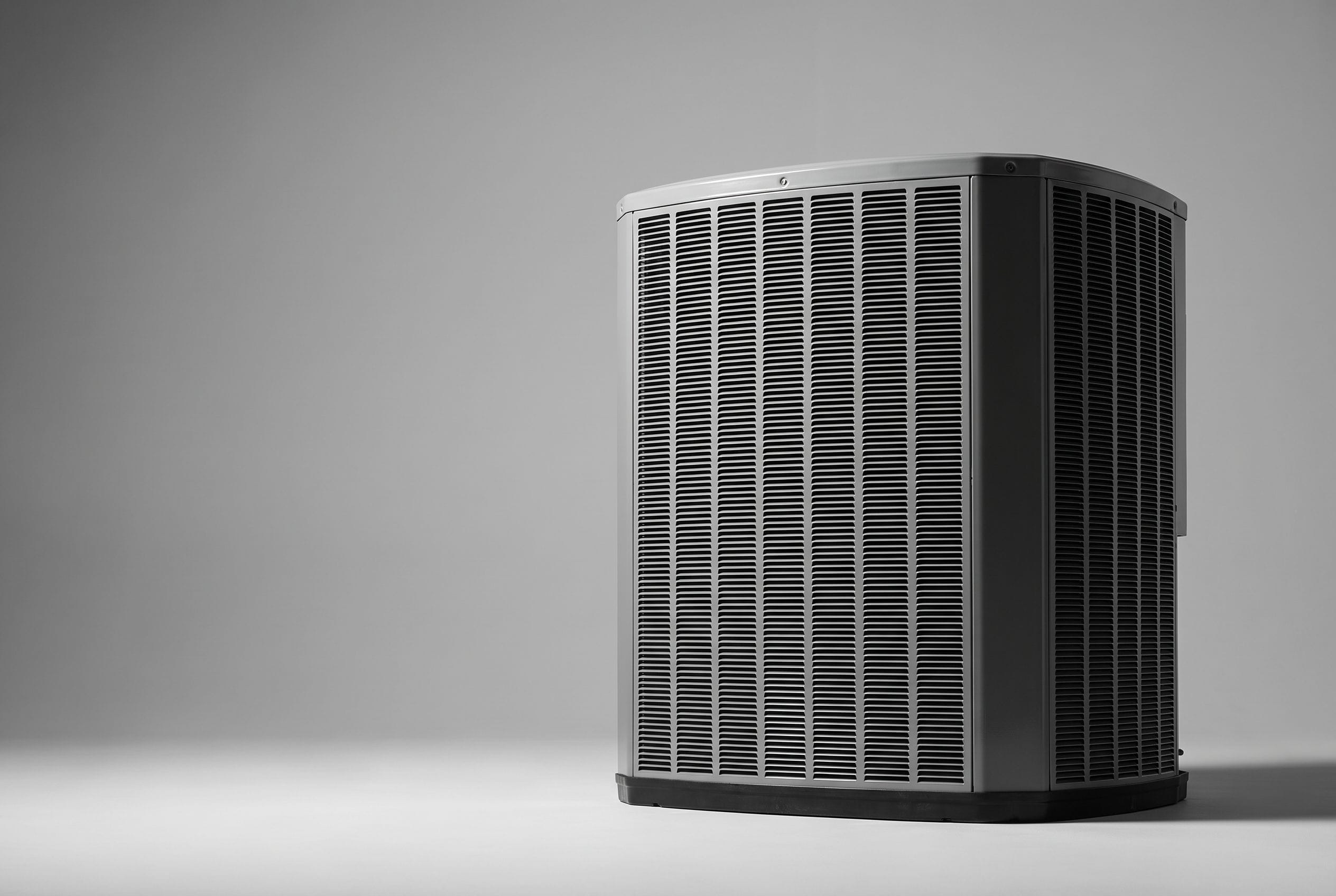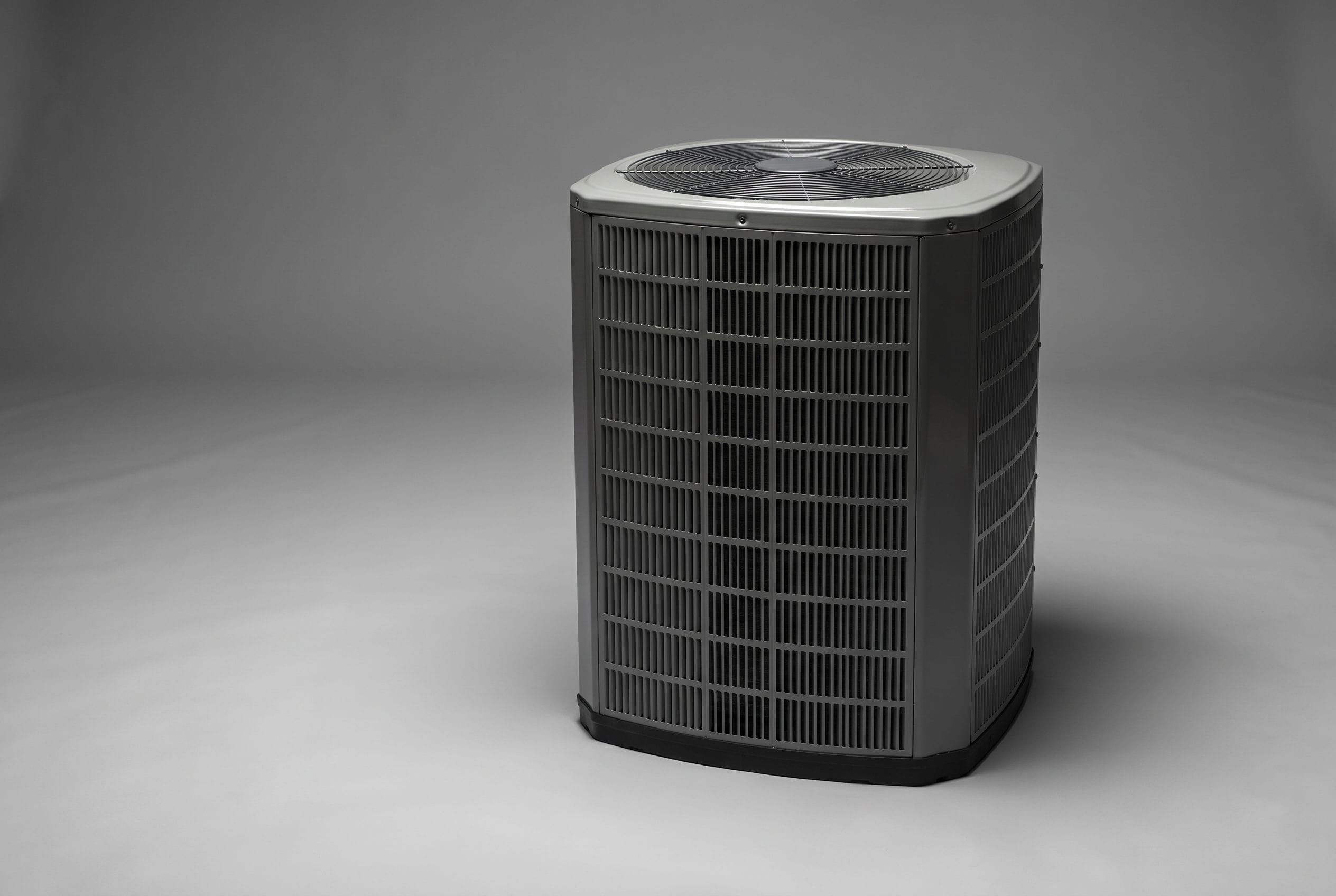
American Standard genuinely is Trane's corporate sibling, sharing the same core engineering in solid, established mid-tier hardware, which makes it a good brand on paper, but real-world outcomes swing more on which of hundreds of independent dealers installs and services your specific unit than on the badge itself. Here's what that dealer-network trade-off actually costs you, and how it compares to Jetson Air, the direct-to-homeowner heat pump built, sized, and installed by one company end to end, with no dealer markup and a warranty that covers labor as well as parts.
Which American Standard are you actually being quoted?
American Standard sells three real, named tiers: Silver® (entry), Gold® (mid, with two-stage compressors, which run at one of two fixed output levels instead of simply switching on or off), and Platinum® (premium, with variable-speed compressors, which ramp output up and down continuously instead of cycling on and off). Even inside Platinum there's a real step between the 19 and 20 generations. That matters for the numbers used throughout this page, and for the shared-engineering-with-Trane claim above: both apply differently depending on which tier, and which Platinum generation, you're actually being quoted.
Here's what each publishes, straight from American Standard's own materials:
- Silver 16 (entry): up to SEER2 17 / HSPF2 8.5, per American Standard's own product page, essentially tied with Jetson Air's SEER2 17, but behind on HSPF2 9.4.
- Platinum 19 (Side Discharge) (one generation below the flagship): up to SEER2 19.0 / HSPF2 9.0, per American Standard's own heat pump brochure.
- Platinum 20 (flagship): up to SEER2 22.4 and, in a different capacity pairing, up to HSPF2 10.5, no single unit hits both numbers at once, and its published cold-weather data stops at a 5°F test point (more on that below).
American Standard's own consumer product pages don't list an EER2 figure for Silver 16 or Platinum 19 (the federal ENERGY STAR certified-product database does list EER2 for both, just not on American Standard's own marketing pages), and neither tier has any published cold-weather operating floor to compare against Jetson Air's -22°F rating. That's a real gap in what American Standard tells shoppers directly, not an assumption.
It's not a hypothetical concern, either. A Reddit r/heatpumps community spreadsheet of 1,275+ self-reported quotes shows the American Standard model cited most often is 4A6L9024A1000A, a Platinum 19 unit, with Silver 16 showing up regularly too, more often than the Platinum 20 flagship. Jetson only sells one system, so there's no good/better/best ladder to climb the way American Standard's buyers have to. Measured against American Standard's best (Platinum 20), Jetson Air gives up ground on SEER2 and HSPF2 in exchange for a documented, certified cold-weather floor far lower. Measured against Silver and Gold, the entry and mid tiers many homeowners actually end up buying, Jetson Air holds up well on the numbers that are published, and it's the only one of the three with a certified EER2 figure and a certified cold-weather floor at all.
Already have a quote?
Get a Jetson price for your home, then have our team walk you through how it compares
Jetson Air answers that good-better-best guesswork directly. There's exactly one system, with one set of published, AHRI-certified specs, so you always know precisely what you're being quoted rather than guessing whether you're getting Silver, Gold, or Platinum, or which generation within Platinum you'll end up with. That certainty doesn't erase every trade-off: Jetson Air gives up some ceiling on raw cooling efficiency next to American Standard's Platinum flagship, but it does mean the number you see is the number you get. The reviews just ahead give a clearer picture of how much that tier-and-dealer uncertainty actually shapes what American Standard owners experience in practice.
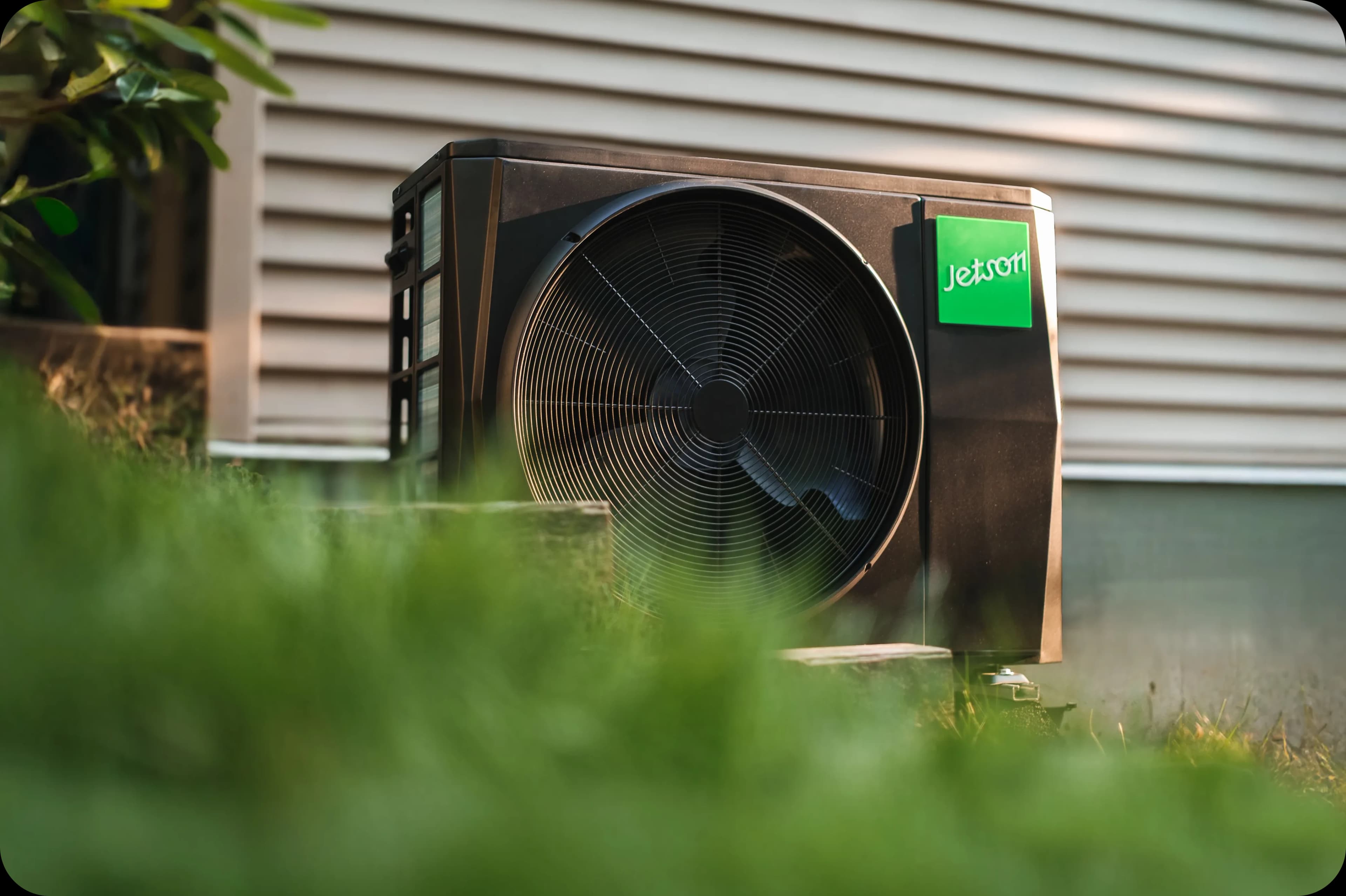
Jetson Air
Jetson Air is a cold-climate, ducted heat pump rated SEER2 17, HSPF2 9.4, and EER2 10.8, rated down to -22°F and ENERGY STAR Cold Climate certified (AHRI #217429780). It's sized for your specific home, installed in a single day by a Jetson crew, and watched by remote monitoring after the crew leaves.
Jetson Air vs. American Standard, at a glance
This is the short version, with the full tier-by-tier numbers and owner reviews just ahead.
Get your own instant price
See if Jetson Air is available at your address
Is American Standard really the same as Trane?
That "sibling" framing turns out to be more than marketing language, even though neither company puts it this plainly in its own materials. This Old House states plainly that "as sister brands, American Standard offers the same engineering quality as Trane," and that "American Standard shares engineering and manufacturing facilities with Trane." That's one outlet's reporting, not an official joint statement from either company, but homeowners researching a quote have landed on the same conclusion on their own, without a manufacturer's article pointing them there. In one r/hvacadvice thread asking whether American Standard and Trane are really the same company, the replies didn't hedge: "They are exactly the same with a different paint job and badge," wrote u/se160, and u/Marlow_B_Pilgrim added "they certainly are clones when you break them open and service them." u/Clear_Childhood_5535 pointed out this isn't unique to Trane's corporate family either: "Just like Carrier, Bryant, Payne, and Day and Night are pretty much the same. Just a different badge on the front but part numbers all cross (generally)."
A separate thread asked the same question a few years later and got the same answer, with a car analogy that's stuck around: "Yes they are fundamentally the same unit. The same way GMC and Chevy make vehicles with the same core design but maybe a different grill and emblem," wrote u/JETTA_TDI_GUY. The more useful comment in that thread came from u/makeitcold79, who reframed the whole question: "The equipment is the same mechanically but the installation being done correctly is more important than the name brand." That's worth sitting with, because it means the badge tells you less about your outcome than who installs and services your specific unit.
This matters if you're shopping American Standard specifically for its price position under Trane: you're largely paying for the dealer relationship, not materially different equipment. This Old House also cites BBB data putting the shared Trane/American Standard rating at a B-, with 428 customer complaints logged over three years, against an A+ for Lennox. That complaint volume says more about the size and structure of a shared, dealer-fragmented network than it does about the equipment itself.
A tier name on a quote says less than what happens once a system's a few years old.
What do real owners say about American Standard?
How that plays out for actual owners is where the story gets more specific. Two independent review sites, HighPerformanceHVAC and HeatPumpGuide, publish named, dated owner reports rather than peer-reviewed testing, and their editorial vetting is thin, with unmoderated comments sitting alongside marketing copy. Still, the individual reviewer accounts are specific and attributable, and the pattern across both sites is a wide spread: plenty of owners get a decade or more of trouble-free operation, and a meaningful number get repeat major-component failures well inside what should be the equipment's useful life.
On HeatPumpGuide, the "held up fine" side looks like this:
- Terry, Norm Upson, and Len Schellenberg: 9 to 10-plus years with no significant issue
And the other side of the ledger looks like this:
- Timothy E. Phelps: two compressor replacements in five months, on a system only four years old
- John: compressor failure at seven years
- Rob Hand: air handler coil failure at 26 months; technicians he quotes in his review call the coils "CRAP"
- Steve Sersheh: control board failure at five years and sixty days, just past most warranty windows
- Ron Cerra: over 100 service calls across five years, including multiple major component replacements
HighPerformanceHVAC tells a similar story through a different set of named reviewers:
- JoAnn Martin (June 2022): control board replacement
- Ray (March 2018): discharge temperature and noise complaints
- Mike Brakefield (March 2016): condenser fan motor and air-handler motor replacements
These aren't one-off freak occurrences. Boards, refrigerant charge, fan motors, and compressors are the recurring failure modes showing up across this equipment's service history, with no clear single cause pointing at any one part or batch.
That spread doesn't make American Standard uniquely unreliable among ducted heat pumps (systems tied into a home's ductwork, the vents and ducts a furnace or central AC already uses to move air); similar variance shows up across brands built on shared platforms. What it does show is that the badge alone doesn't tell you which experience you'll get: since American Standard and Trane share core engineering, a real share of the outcome comes down to which of hundreds of independent dealers installed and services your specific unit, not the equipment sitting in the box. That's the trade-off of buying through a large dealer network: you're choosing which local business stands behind the install, not just a compressor and a coil.
Those efficiency numbers above are worth decoding before you compare them: SEER2 measures cooling efficiency, HSPF2 measures heating efficiency, and EER2 measures cooling efficiency specifically on the hottest days, and all three are certified by AHRI, the industry group that verifies a manufacturer's performance claims instead of just taking its word for it.
What changes when you buy from Jetson
That spread in owner experience traces back to the dealer network behind the badge, not the equipment itself. Jetson designs the system and the sizing process directly, and skips the distributor-and-dealer chain that normally stacks markup onto the price, the same reason buying direct from Costco costs less than going through a middleman. Its own trained crews handle the install too, not one of hundreds of independently owned local businesses. That means one company is accountable for the design, the install, and the support afterward, instead of a manufacturer's parts warranty and a separate independent dealer's labor terms. A traditional purchase like American Standard's routes through a distributor markup and then a dealer markup before it reaches your quote, on top of whatever margin the dealer needs to run their business. Jetson sells and installs directly, so that stacked distributor-and-dealer markup isn't in the price you're quoted. You still deal with exactly one installer, same as a traditional buyer does. What's different is how many hands the price passed through before that installer showed up.
Once you look at how the two purchases actually run, a few concrete differences stand out:
- Sizing: calculated from real household data using Jetson's own NREL-validated methodology (validated against modeling from the National Renewable Energy Laboratory, a U.S. Department of Energy research lab), rather than left to whichever practice your local dealer happens to follow for load calculations (the math that figures out what size system a home actually needs); as the reviews above show, that practice varies a lot from dealer to dealer.
- Install speed: done in a single day, by Jetson's own crews rather than a subcontracted install team.
- Ongoing monitoring: remote monitoring watches system health 24/7, so a developing issue is more likely to be flagged early, often cleared remotely or resolved with a quick guided step like power-cycling the outdoor unit breaker, and escalated straight to a technician if it doesn't resolve that way.
- Rebates: Jetson files the rebate paperwork on your behalf instead of leaving you to chase it yourself.
- Quote: enter your address and get a real, priced quote online in minutes, instead of waiting for a dealer visit to get scheduled and a callback to follow.
The standard warranty is 5 years on parts and 1 year on labor; Jetson Care Plus, an option added at install, extends that to 10 years parts and 10 years labor together. Jetson currently installs in a handful of North American markets, not nationwide, and only builds central ducted systems, not ductless.
Jetson Air keeps improving after install
That same remote connection that watches for problems after install is also what lets Jetson Air improve over time, the way a phone gets better through software updates rather than staying frozen at the spec sheet from the day it was bought. In July 2026, Jetson rolled out Air Quality Monitoring to every existing customer automatically, no new hardware required, because the sensors were already built into the system. As Jetson co-founder and CEO Stephen Lake put it, that kind of update means "thousands of existing homes will receive a new feature they didn't have when the equipment was installed, something no other central heat pump system can do." Separately, Jetson Air was named one of TIME's Best Inventions of 2025, announced months before this rollout. None of that changes the hardware numbers, though, so here's exactly how the two systems compare spec for spec.
Jetson Air vs. American Standard, tier by tier
Each American Standard column shows that model's own published numbers, not a composite: Silver 16, Platinum 19 (Side Discharge), and the Platinum 20 flagship are three different real units.
If American Standard isn't the only brand on your list, our full roundup of the best heat pumps lines up the rest of the field on the same real-numbers basis.
Skip the dealer-network guesswork
Get a quote that isn't shaped by which dealer you land on
So which one's right for you?
On paper, American Standard's flagship Platinum 20 line genuinely wins: certified configurations reach up to SEER2 22.4, well ahead of Jetson Air's 17, and that's worth admitting rather than talking around. But that number is tested under moderate weather; American Standard's own dedicated cold-climate model publishes performance only down to a 5°F floor, while Jetson Air is independently AHRI-certified and ENERGY STAR Cold Climate rated to -22°F, 27 degrees further down the scale.
Beyond the hardware, the real difference is how you buy it: Jetson designs, sizes, sells, installs, and monitors the system as one company, with no distributor-and-dealer markup stacked onto the price, and a warranty covering 10 years of parts and labor through Jetson Care Plus. For homeowners in a genuinely cold climate who don't want to gamble on which local business shows up, Jetson Air is worth comparing directly against your own quote. Enter your address and you'll know in minutes whether it's available at your house and how much it costs, no dealer visit or callback required.
See what fits your home
Find out if Jetson Air is available where you live
No dealer visit required