Still have questions?

Talk directly with a Jetson Expert to learn more.

Cold Climate Heat Pumps

Everything you need to know and more.

Heat pumps don’t usually get the spotlight. But while the world was busy obsessing over smart thermostats and fancy air purifiers, cold-climate heat pumps quietly became one of the smartest, most efficient upgrades you can make to your home.

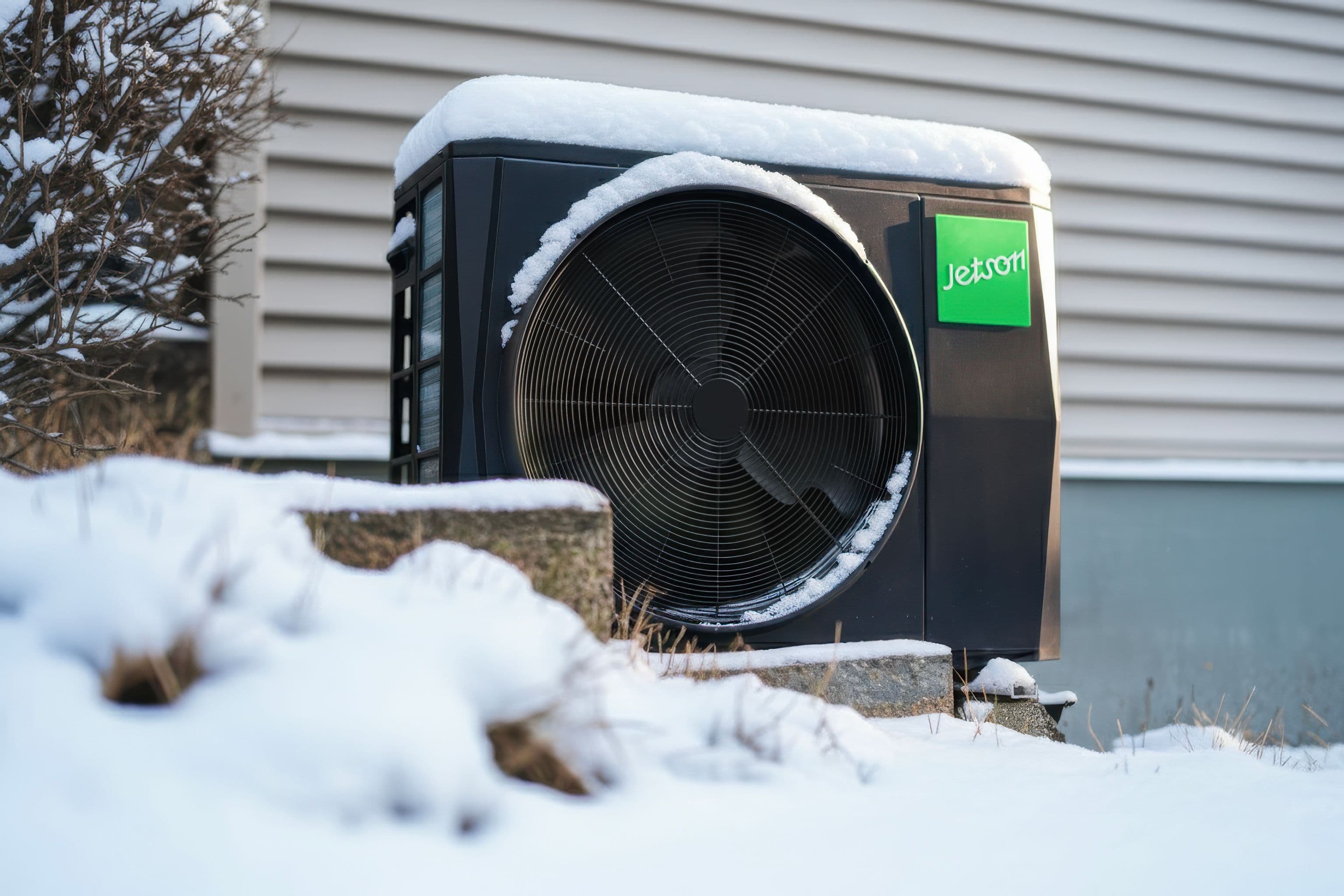
Jetson Air Outdoor Unit - Winter

What is a Heat Pump?

A heat pump is like a heat messenger. Instead of creating heat by burning fuel, it simply picks up heat from one place and delivers it to another. In winter, it gathers heat from the outdoor air—even when it’s freezing—and brings it into your home. In summer, it reverses course and carries heat out. Because it moves energy rather than making it, a heat pump keeps your home comfortable all year with far less energy and zero emissions.

What is a Cold Climate Heat Pump?

Unlike older heat pumps that struggled when temperatures dropped, today’s cold-climate heat pumps are engineered specifically for serious winter performance. They use more powerful compressors, advanced sensors, and smarter controls that continuously adjust output to match outdoor conditions. Specialized refrigerants play a big role too, allowing the system to capture and move heat even when the air feels brutally cold.

Thanks to these advancements, cold-climate heat pumps can extract usable heat from outdoor air at temperatures as low as –22°F (–30°C). In real terms, that means they can keep homes warm and comfortable through long, harsh winters without relying on a backup furnace or burning fossil fuels. For many households, this makes it possible to fully replace traditional gas or oil heating with a cleaner, all-electric system.

When warmer weather arrives, the same technology seamlessly switches gears to provide efficient cooling. Instead of installing and maintaining separate systems for heating and air conditioning, you get one streamlined solution that handles both. The result is year-round comfort, lower energy use, and a future-ready system designed to perform in every season.

What is the lowest temperature a heat pump can handle?

Older air-source heat pumps often struggled in cold weather, losing efficiency and relying heavily on backup heat once temperatures dropped to around 14°F (–10°C). That’s why many people still believe heat pumps don’t work in cold climates. But modern cold-climate heat pumps have changed that completely. Today’s systems are built to operate efficiently in temperatures as low as –22°F (–30°C). They don’t just get by in cold weather — they’re designed to thrive in it. If people live there year-round, there’s a heat pump that works there year-round. At Jetson, we only install cold-climate systems that deliver reliable, all-electric comfort through the depths of winter.

Do I need to upgrade my electrical panel for a heat pump?

Not always. Many homes already have enough electrical capacity for a heat pump, especially if you have a 100-amp panel with no major loads like an EV charger or hot tub. But in some cases, an upgrade may be needed — for example, if your panel is already full or your home has higher energy demands. At Jetson, we assess your electrical capacity as part of our quoting process and let you know upfront if any upgrades are required. If you do need one, we can handle it as part of your installation — future-proofing your home not only for a heat pump but other electrification upgrades in the future.

What size heat pump do I need for my climate?

It depends on your home — and getting it right matters. That’s why we don’t guess. Our smart quoting system uses thermal analysis software to calculate the exact size of heat pump your home needs. No more napkin math. No more outdated rules of thumb. Just the right system, dialed in for your space, climate, and comfort. Fill out our instant quote to see what your house needs.

Can a heat pump replace gas, propane or oil heating?

Yes, a cold-climate heat pump can fully replace gas, propane, or oil heating in most homes. Modern systems are specifically designed to operate efficiently even in freezing temperatures, delivering steady, reliable heat through the coldest months of the year. You get the same level of comfort you’d expect from a traditional furnace, without fuel deliveries, open flames, combustion byproducts, or on-site emissions.

For homes with existing ductwork, a centrally ducted heat pump can usually take the place of a furnace with only minor adjustments. The indoor unit often fits right where the old system was, and the existing vents continue to distribute heat evenly throughout the house. That makes the transition smoother and less disruptive than many homeowners expect.

Beyond comfort and convenience, there’s a strong financial case as well. With today’s high and unpredictable fuel prices, switching to an efficient, all-electric heat pump can lead to meaningful long-term savings on energy costs. Combined with reduced maintenance needs and potential incentives or rebates, a heat pump isn’t just a cleaner option, it’s a practical investment in your home’s future.

How long do cold-climate heat pumps last?

Cold-climate heat pumps typically last 15 to 20 years, depending on the system, usage, and maintenance — similar to a traditional gas furnace or air conditioner. Because they run year-round for both heating and cooling, regular maintenance helps keep them running efficiently over time. At Jetson, every system we offer a 10-year parts and labor warranty*, so you’re covered for the long haul. And with built-in remote monitoring, we can help catch small issues before they turn into big ones.

We designed our own hardware. We built the software to match. And we stripped away the bloated layers that make HVAC expensive. The result? A smarter, cold-climate heat pump built for real winters—plus built-in air quality sensors, remote diagnostics, smart scheduling, and automatic updates that keep your system efficient all year long.

*included in Jetson Care Plus

Ready to make the switch?
Let's get started!

Explore Jetson Air